This design was created by four Acadia artists working together: Waleska Cueto, Skye Louis, Jay Laya and Anne Azucena. We have depicted plants and animals that hold special meaning for us through our experience here in the garden and through our own lives.
-
When a seed takes root and flourishes, it grows to play an essential role in a community of life. Its roots mingle underground, feeding tiny creatures and fungi, and anchoring the soil. The leaves provide shelter from the harsh sun and place for insects to alight. Flowers share their gifts with pollinators, birds and others. This includes fruit, which eventually can bring us even more seeds. Gardens represent the possibility of plenty - the hope that we will all have what we need. When we grow plants, we grow the future. This garden image is a collaborative work created through shared dialogue and collective vision.
As we came together and reflected on the journeys that brought us to the community garden, we recognized a shared love of being in relationship with the land in this space. The garden became a way of listening, of slowing down and learning from the land itself.
Through elders and knowledge sharers from Indigenous communities of this territory, we are taught that we are connected to land, and in turn, land reciprocates their gifts through plants, animals, fungi, and their cycles. Every part has purpose and is meant to be cared for and honoured. These teachings frame sustainability not as scarcity, but as abundance rooted in respect, care, and reciprocity.
Our contributions were shaped with these teachings in mind and chosen because each image carries a reminder of home - of longing, belonging, and growth. As you explore this image, you might start to wonder….are all of these creatures found here in the garden? These plants and animals exist across different lands, sometimes as shared relatives and sometimes as distinct species shaped by place. They affirm that our ancestors remain present wherever we find ourselves, moving with us through memory and relationship.
Together, these images form a shared narrative that honors memory, heritage, and collective creation within a public space. Take your time to explore the image - you might find some familiar sights, and maybe some that you have seen before in another place and time. They are here to remind us that we all belong, and we are each part of an interdependent community.
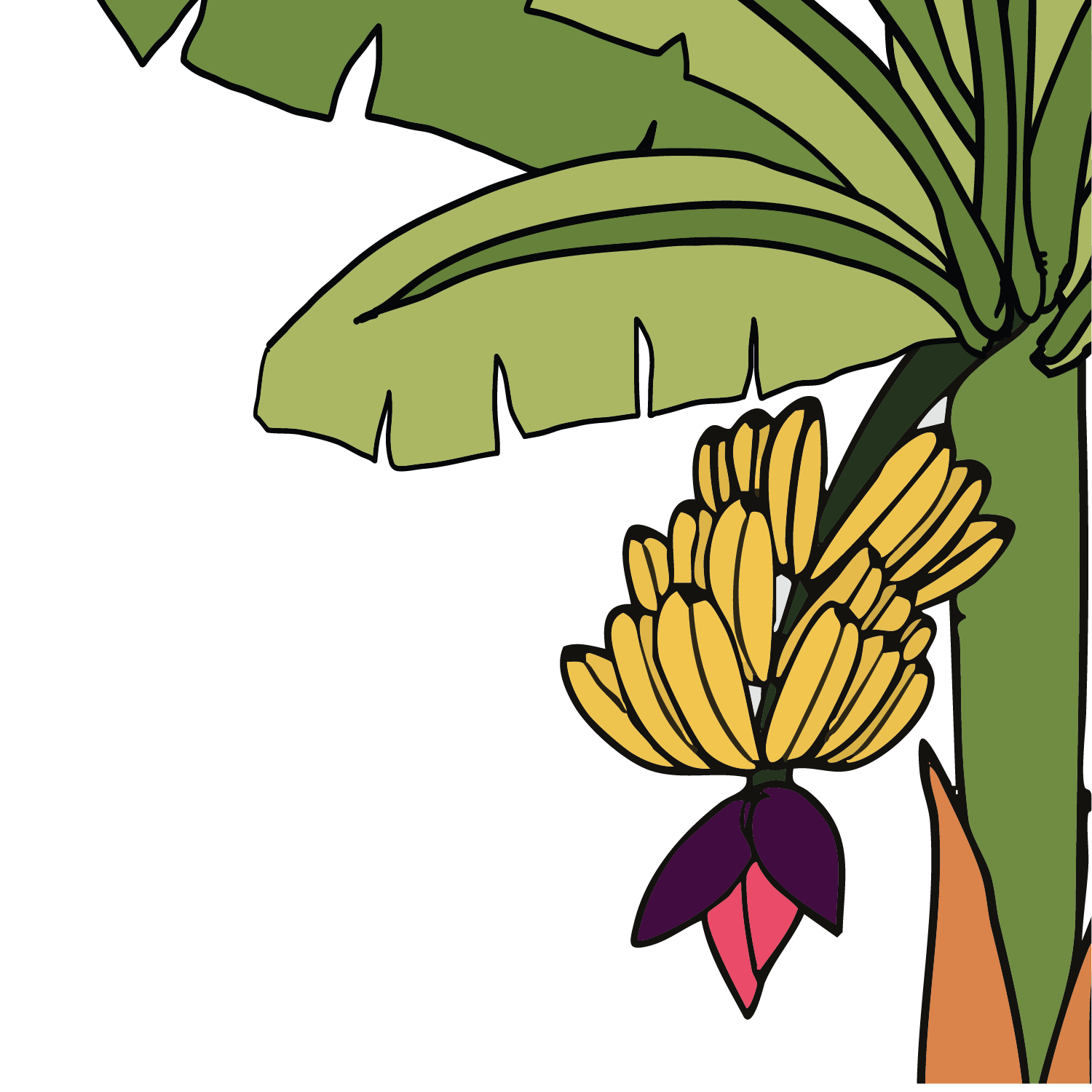
Banana Tree
The banana tree is a sacred plant rooted in warmth and abundance. And like all living trees, it provides food, shelter, and materials that support our survival. Being in relationship with every part of this plant reminds us of our connection to the land and its resilience. The banana tree represents nourishment, reciprocity, and resilience through everyday labor.
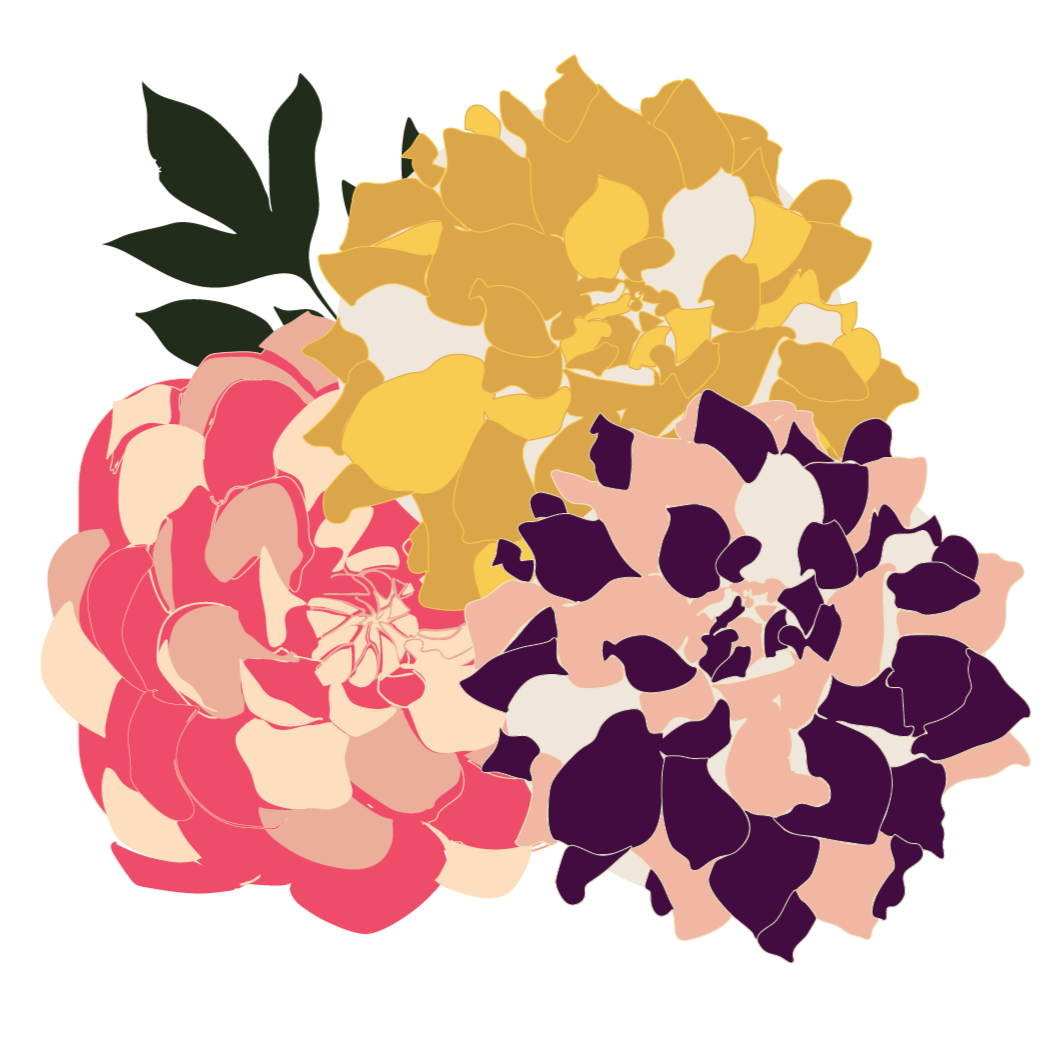
Dahlia
The dahlia is Mexico’s national flower. Valued for its diversity, strength, and beauty, the dahlia reflects the richness of Mexican identity and its deep connection to the natural world.

Flicker
The flicker is one of the first signs of spring in the garden. Perched on top of a lamppost, drilling away, they broadcast the message, “I am here! Spring is here too!” The flicker’s style and presence reflect creative fire, the colour and life that artists bring to the neighbourhood.
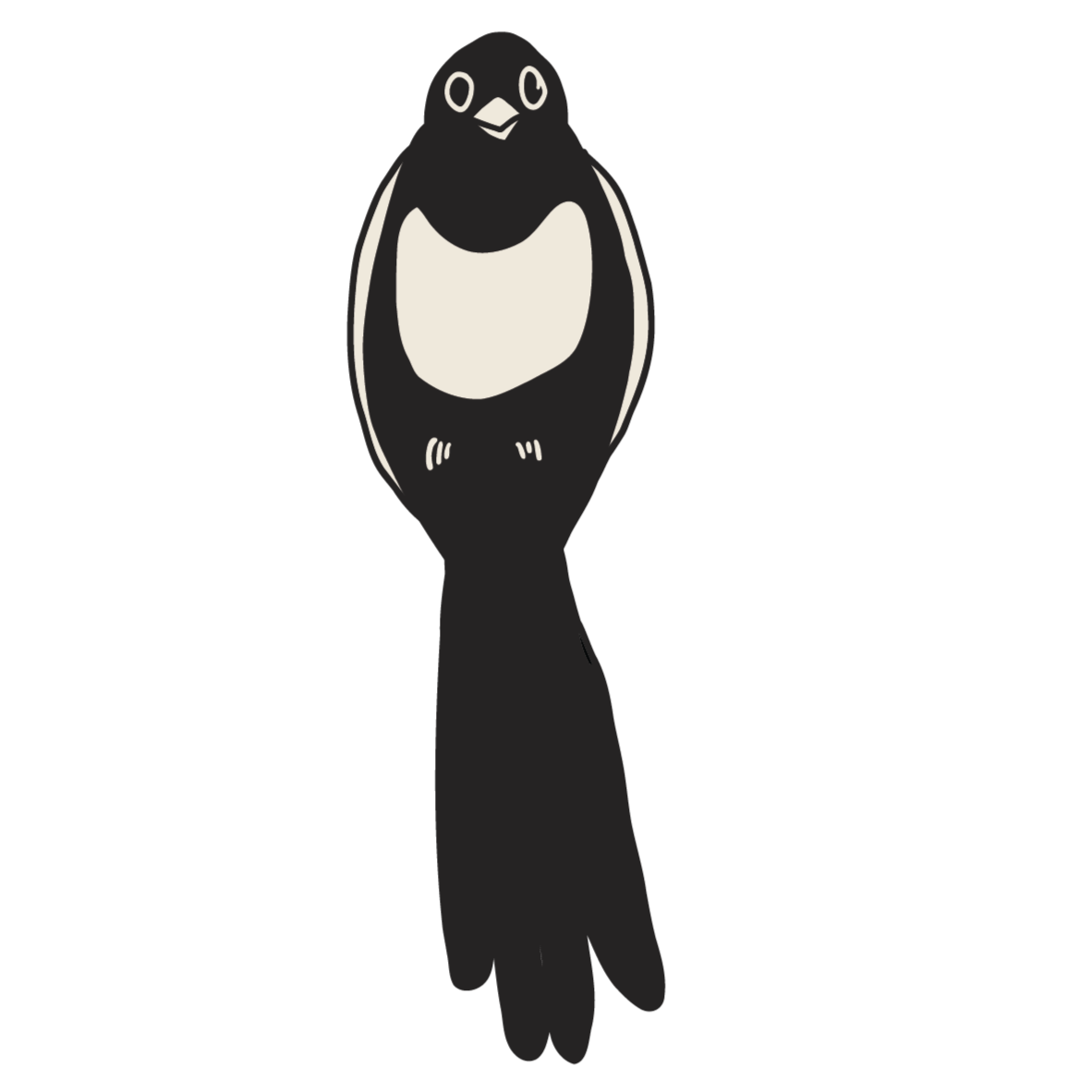
Magpies
Magpies are known for their intelligence, adaptability, and strong social bonds. They are constant witnesses- observing, remembering, and responding. Often mischaracterized, magpies reflect survival through cleverness, protection, and community care, reminding us that relational knowledge is a form of strength. Together, these images speak to a way of knowing that is relational rather than extractive. They affirm that while we live and create on different lands, there are deep connections and lessons to be learned through our relationships with nature.
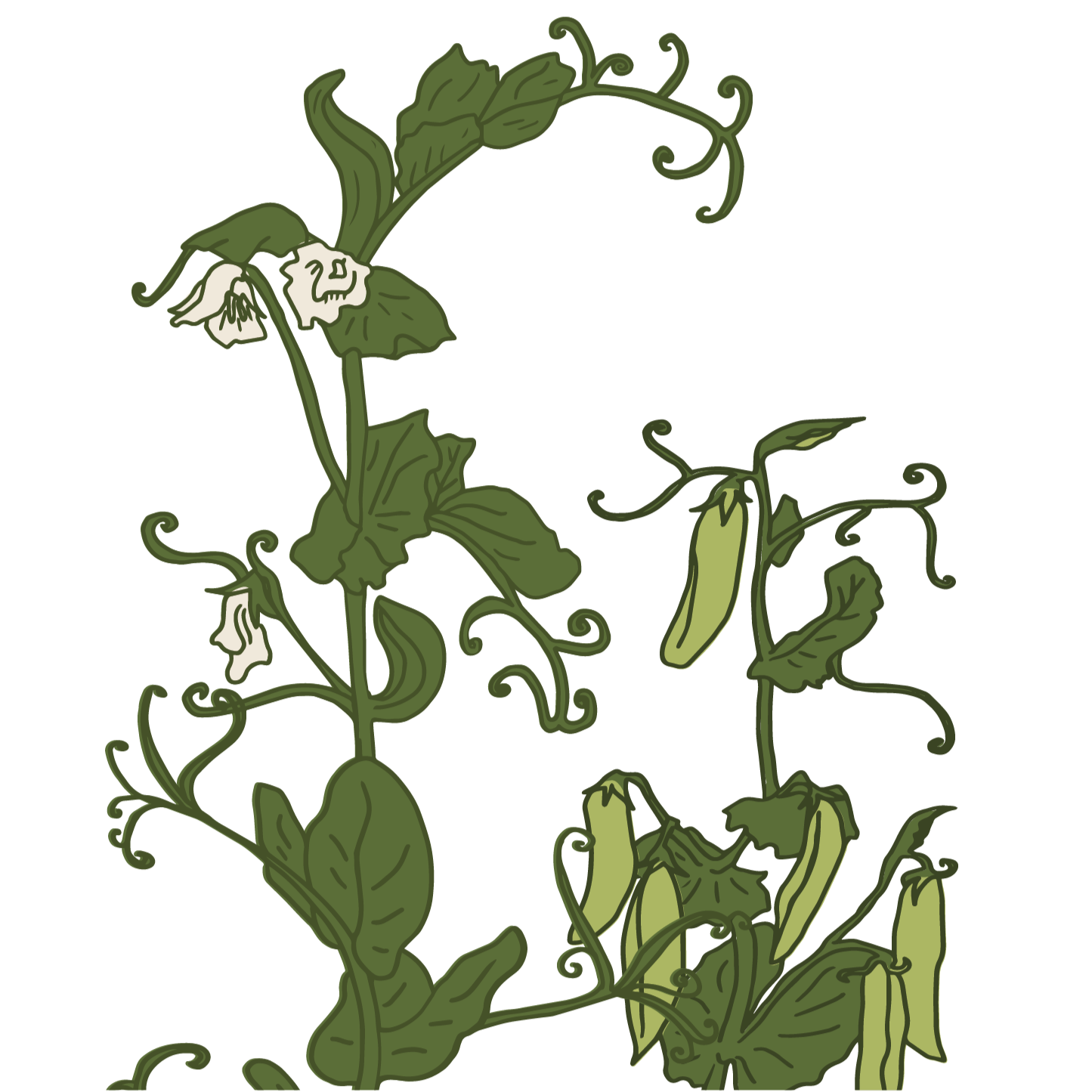
Peas
Pea shoots embody the joy and surprise you feel when a seed goes from a tiny package of potential to a growing, developing thing. In their liveliness they keep climbing and putting out little tendrils to wrap on to whatever they can reach, always finding creative ways to adapt and support themselves. The vines spill out of their assigned spaces and refuse borders and boundaries.
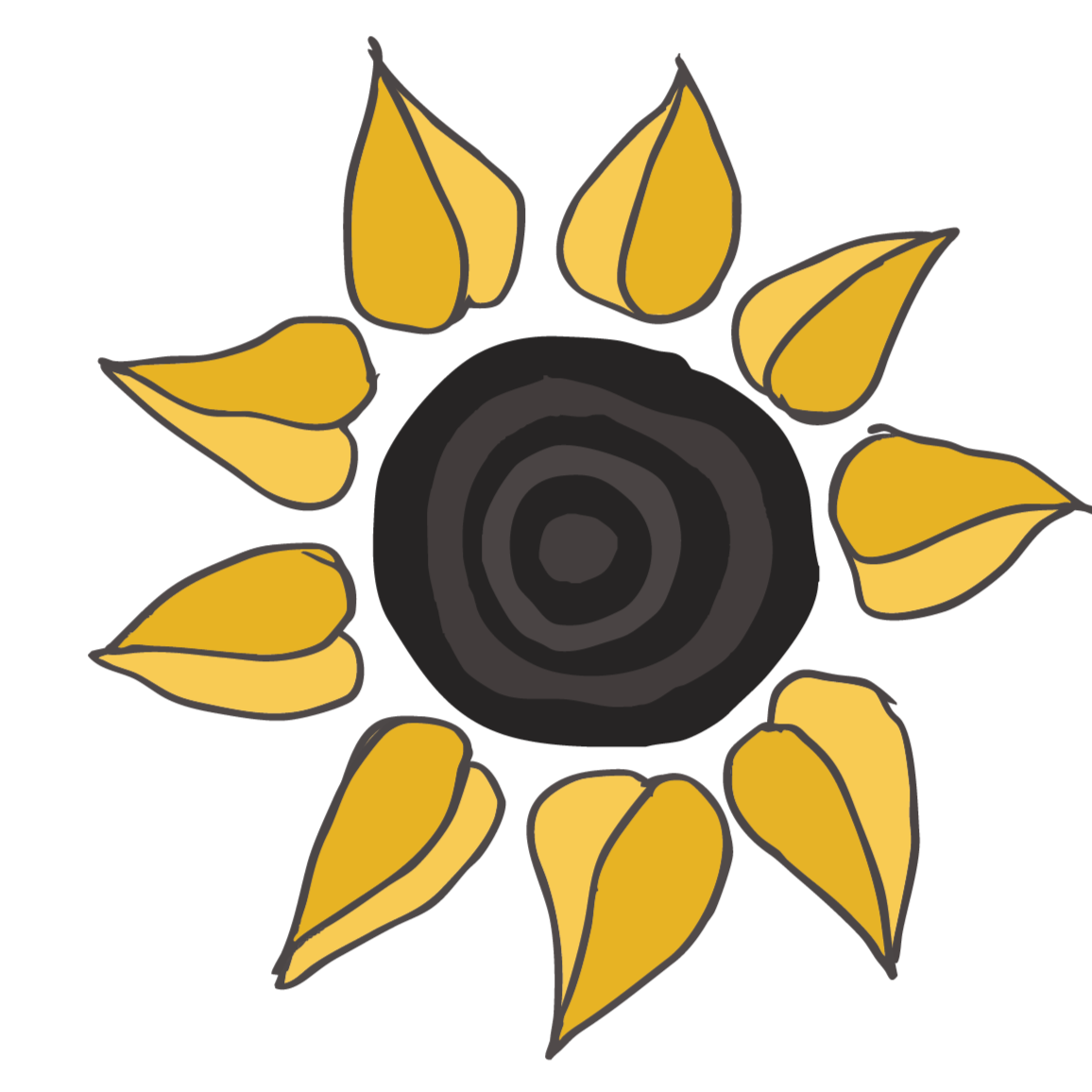
Sunflower
The sunflower represents warmth, resilience, and freedom, echoing its symbolism on the Philippine flag. While the sunflower is not Indigenous to the Philippines, it is widely grown there and on Turtle Island, symbolizing adaptation and survival- how diasporic peoples learn to root themselves in new soil while remaining oriented toward growth and care.
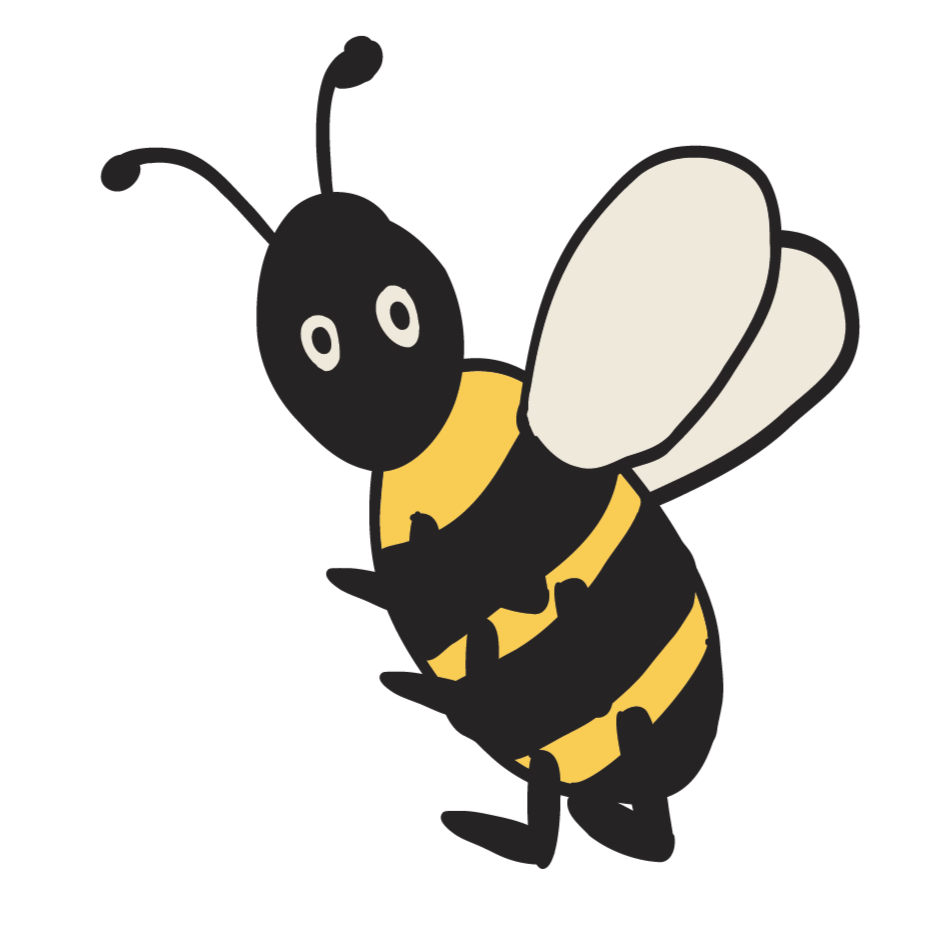
Bees
Bees exist across many parts of the world, including the Philippines and Canada. Their presence reminds us that life is upheld through collective effort, cooperation, and interdependence.Their essential work mirrors the often unseen labor carried out by care workers, whose attention to others and collective well-being has made survival possible across generations.
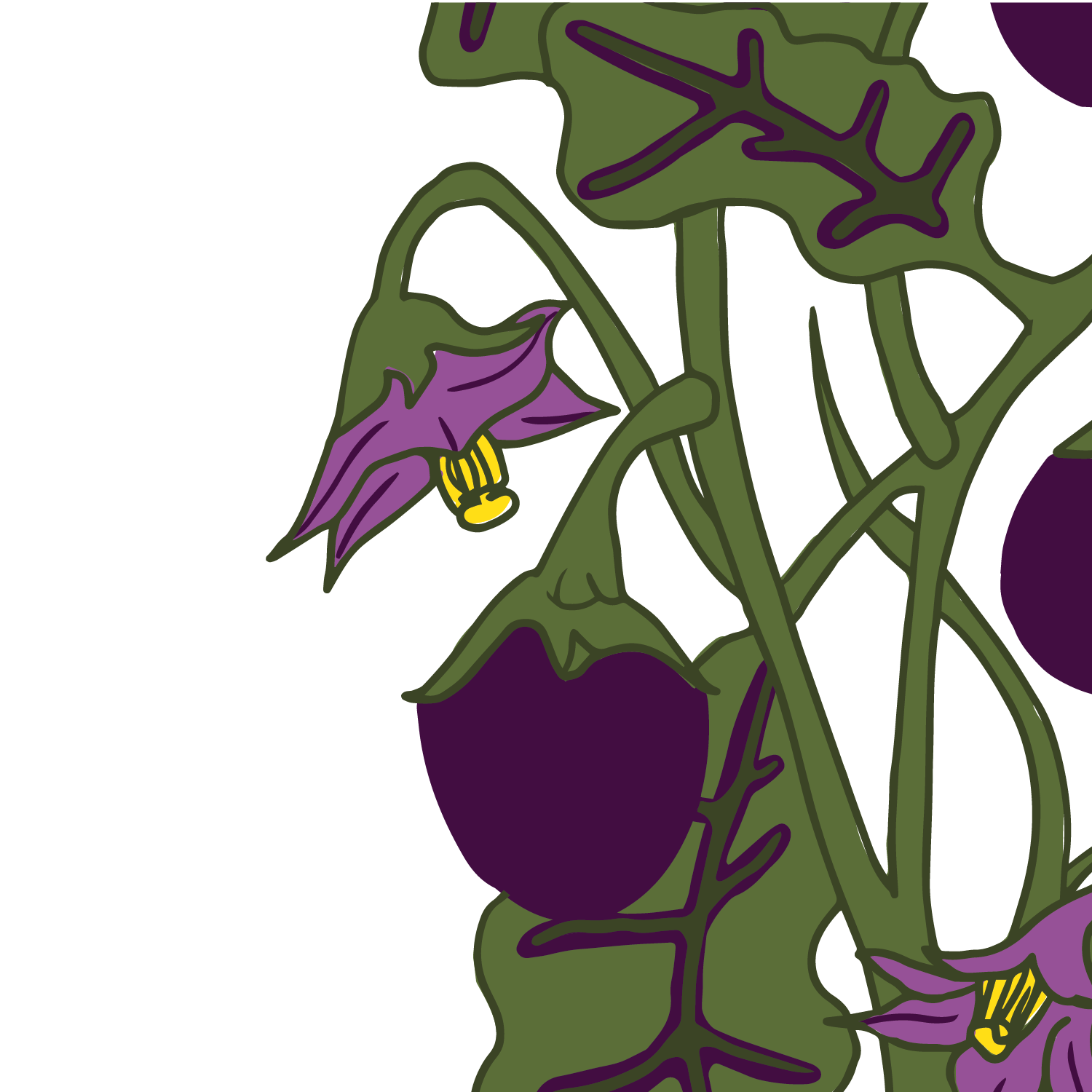
Eggplant
Eggplant isn’t a common sight in Mohkinstsis gardens. The diverse cultivars reveal shared roots and the cultural interconnections existing between the Subcontinent, East Asia, and North and East Africa long before European colonization or contemporary globalization. Getting this heat-loving tropical to flourish here isn’t easy, and it’s a symbol that diasporic people can thrive here.
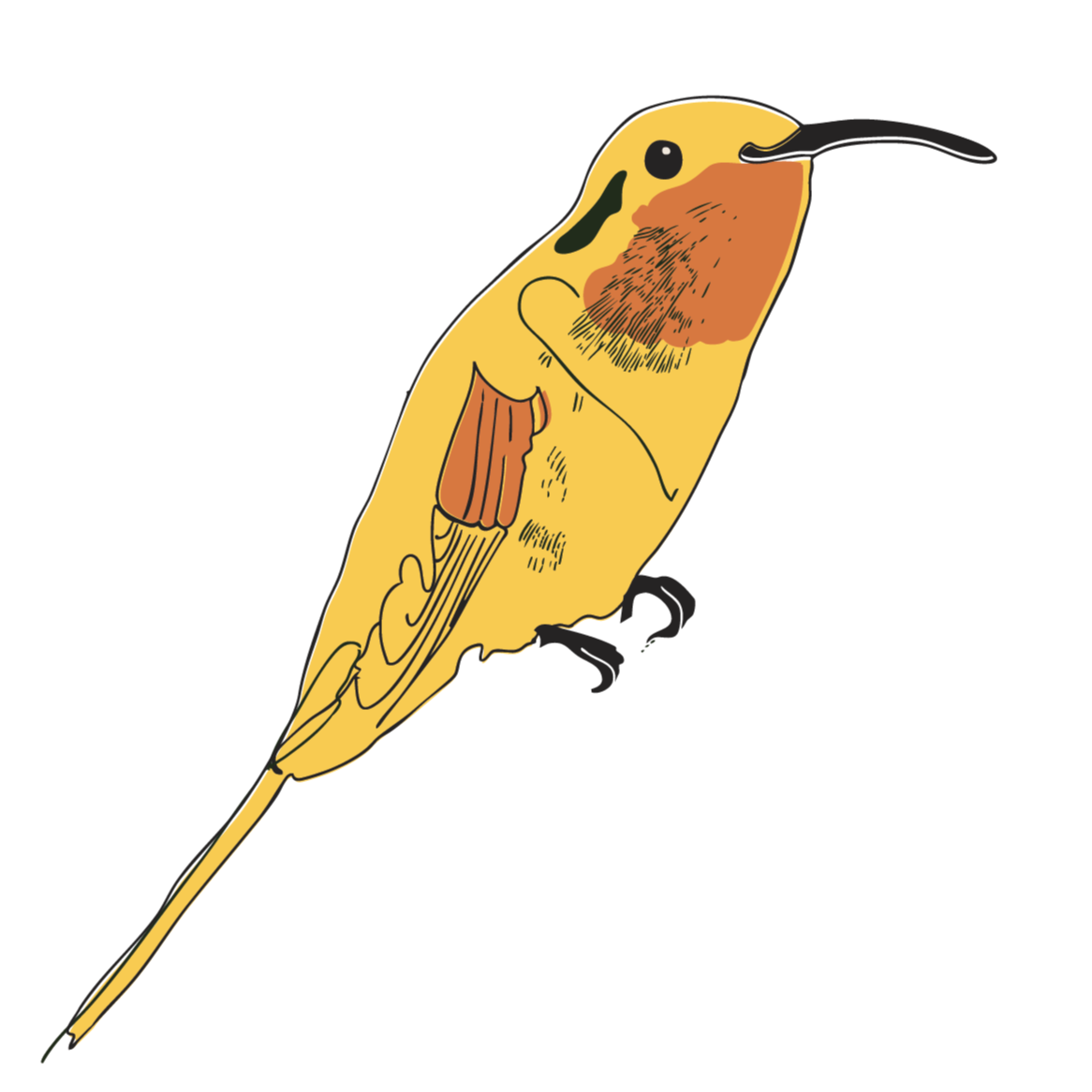
Hummingbird
The hummingbird is a deeply symbolic and traditional presence in Mexican culture. Growing up in Mexico, hummingbirds were a constant sight—moving through gardens and urban spaces alike. Depicted here, they represent vitality, resilience, and living memory carried through motion.
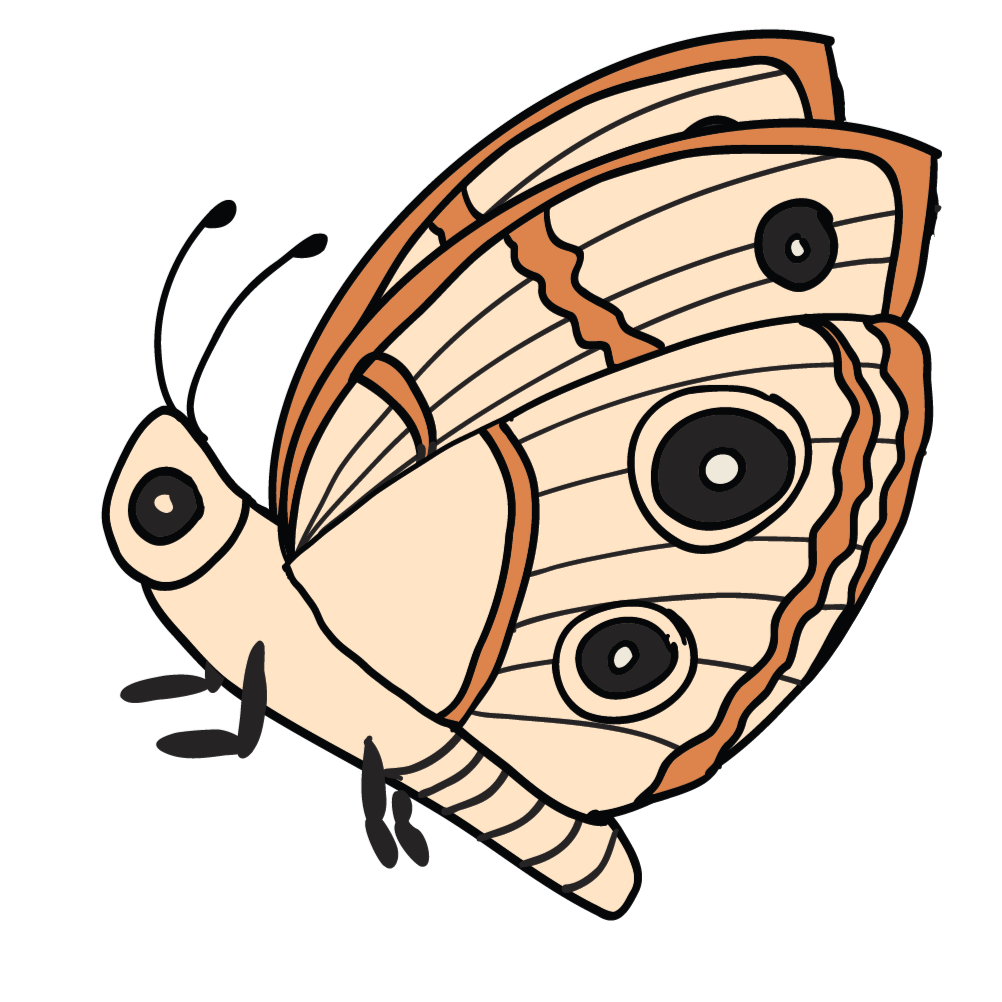
Moths
The moth, a quiet nocturnal being found across both lands, symbolize transformation, movement, and the ability to navigate darkness. Often misunderstood, the moth reflects diasporic survival - moving between worlds, guided by instinct and memory. In the Philippines, children are taught never to harm a moth, as it may be a relative coming to greet you. Carrying this belief across lands becomes a reminder that our relatives are always nearby.

Shaggy Mane
The shaggy mane represents the endless potential buried in the soil, the power of life and the way that water can transform the landscape. Shaggy mane mushrooms always surprise and delight me. They are so transient, popping up seemingly from nowhere, and then slowly melting away back into the earth. They show that there is always more going on underneath the surface than we realize.
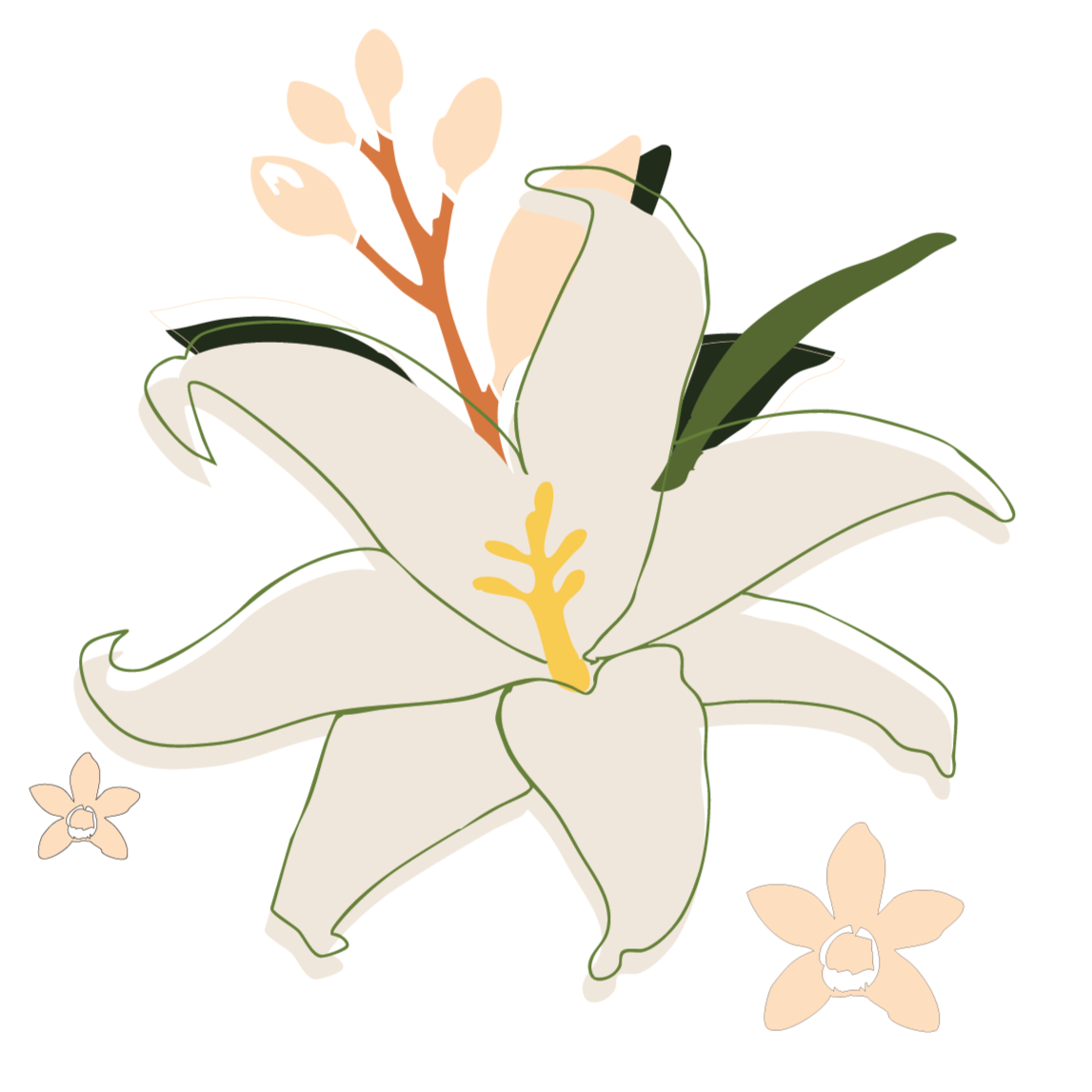
Vanilla
The vanilla is a plant native to Mexico with significant cultural and historical importance. Rooted in Indigenous knowledge and local ecosystems, vanilla represents both cultural legacy and fragility, as it faces increasing environmental and agricultural pressures today.
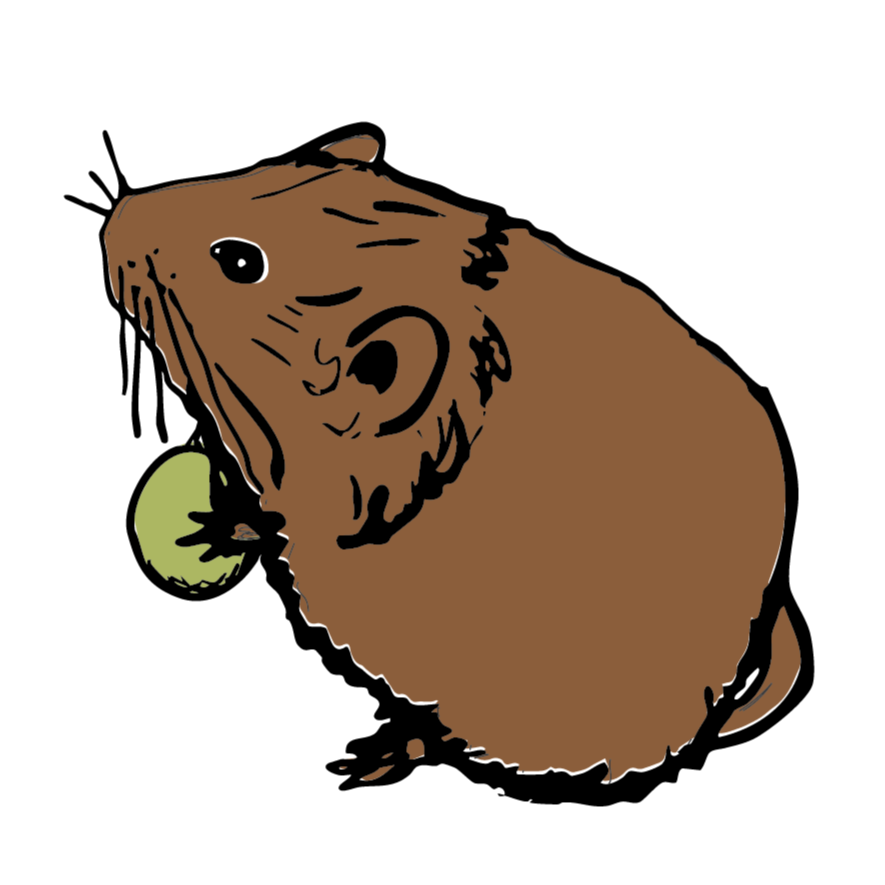
Vole
When people first spot the voles in the garden, sometimes nestled down in the compost pile, they often think they are mice. To me the voles are a symbol of the many different meanings that the garden space holds. It is a home and a welcome to people in so many different ways. And although the voles cause havoc with their own uninvited harvesting, they do belong here too. They are a reminder that a healthy garden community makes room for outsiders - and a little chaos, too.